

How to Become a Security Guard in Queensland (2026 Complete Career Guide)
If you’ve been thinking about becoming a Security Guard in Queensland, you’re entering an industry that offers diverse career opportunities, practical work and the chance to make a real difference in protecting people, property and communities.
⏱ Reading Time: 8–10 Minutes
📅 Updated: July 2026
From shopping centres and hospitals to corporate offices, major events, transport facilities and construction sites, trained security professionals play an important role across almost every industry. As Queensland continues to grow, so does the demand for qualified security personnel who can communicate effectively, assess risks, respond professionally to incidents and help maintain safe environments.
Whether you’re starting your first career, changing industries or looking for a role with long-term opportunities, security can provide a rewarding pathway. This guide explains everything you need to know about becoming a Security Guard in Queensland — including the qualifications you’ll need, licensing pathways, career opportunities and how nationally recognised training at NSTA Hillcrest™ can help prepare you for success.
The most common entry point is the CPP20218 Certificate II in Security Operations — the nationally recognised qualification that supports training pathways for Security Guard and Crowd Controller roles in Queensland.
📋 In This Guide
Why Choose a Career in Security?
Many people assume security work simply involves standing at the entrance of a building. In reality, today’s security professionals perform a wide range of responsibilities that require excellent communication, sound judgement, professionalism and the ability to remain calm under pressure.
A career in security may appeal to people who enjoy:
✔ Working with people and solving problems
✔ Being active rather than sitting behind a desk
✔ Building practical workplace skills
✔ Working across different industries
✔ Developing specialised security knowledge
✔ Continuing professional development throughout their career
One of the biggest advantages of working in security is the diversity of opportunities available. As you gain experience and complete additional training, you may choose to specialise in areas such as corporate security, event security, cash-in-transit operations, K9 security, control room operations or other specialist roles.
What Does a Security Guard Do?
Security Guards are responsible for protecting people, property and assets while helping maintain safe, secure and professional environments. Depending on the workplace, day-to-day duties may include:
✔ Patrolling buildings and surrounding areas
✔ Monitoring CCTV systems
✔ Controlling access to restricted areas
✔ Checking identification
✔ Protecting valuable assets
✔ Responding to alarms
✔ Managing crowd behaviour
✔ Writing incident reports
✔ Assisting emergency services
✔ Communicating with clients and the public
✔ Identifying potential security risks
✔ Following workplace procedures and legislation
Every workplace is different, making security a career where no two days are exactly the same.
Where Can Security Guards Work?
Qualified Security Guards work across almost every industry throughout Queensland. Common workplaces include:
✔ Shopping centres
✔ Retail stores
✔ Hospitals
✔ Universities and schools
✔ Corporate offices
✔ Hotels and resorts
✔ Construction sites
✔ Warehouses
✔ Government facilities
✔ Sporting venues
✔ Entertainment venues
✔ Licensed premises
✔ Transport facilities
✔ Events and festivals
✔ Industrial and residential sites
Skills Every Security Guard Needs
Successful Security Guards rely on much more than physical presence. Employers are looking for people who can think clearly, communicate professionally and make sound decisions in challenging situations.
✔ Professional communication
✔ Conflict resolution
✔ Situational awareness
✔ Observation skills
✔ Report writing
✔ Customer service
✔ Integrity and reliability
✔ Time management
✔ Risk assessment
✔ Emergency response
✔ Confidence under pressure
✔ Following workplace procedures
Step-by-Step Guide: How to Become a Security Guard in Queensland
Step 1 — Complete Nationally Recognised Security Training
Before pursuing entry-level security roles in Queensland, most people complete nationally recognised Security Operations training.
The primary entry-level qualification is the CPP20218 Certificate II in Security Operations. This qualification provides the practical knowledge and workplace skills required for pathways into Security Guard and Crowd Controller roles in Queensland.
During training, students develop skills in:
✔ Effective communication and conflict management
✔ Security patrol procedures and access control
✔ Risk assessment and emergency response
✔ Workplace health and safety
✔ Security reporting and incident management
✔ Crowd control and client service
Step 2 — Understand Queensland Licensing Requirements
Completing nationally recognised training is an important step towards working in the Queensland security industry. People seeking security licensing in Queensland must also meet relevant regulatory requirements.
Depending on the licence category, requirements may include identity verification, criminal history checks, suitability assessments and compliance with current Queensland legislation.
Applicants should always refer to the official Queensland Government Security Industry Regulation website for the most up-to-date licensing requirements, eligibility criteria and application information, as these requirements may change over time.
🏛️ Queensland Security Industry Regulation
Students seeking a Queensland Security Provider Licence should always refer to the official Queensland Government Security Industry Regulation website for the latest licensing information, eligibility requirements and application process.
👉 Official Queensland Government — Security Industry Regulation
Step 3 — Start Your Career in the Queensland Security Industry
Once you’ve completed your training and met the relevant Queensland licensing requirements, you can begin applying for entry-level security positions. Career opportunities may include:
✔ Security Officer (Unarmed Guard)
✔ Crowd Controller
✔ Retail Security Officer
✔ Corporate Security Officer
✔ Event Security Officer
✔ Hospital Security Officer
✔ Construction Site Security
✔ Mobile Patrol Officer
Step 4 — Continue Building Your Career
Many successful security professionals don’t stop after completing their first qualification. A common next step is the CPP31318 Certificate III in Security Operations — which helps build broader operational knowledge and supports career progression into supervisory and specialist roles.
Many students complete Certificate III after gaining practical industry experience in entry-level roles.
A Typical Day as a Security Guard
Security shifts vary depending on the workplace, employer and role type. However, most security officers follow a structured approach to their shift to ensure consistent, professional coverage.
A typical security shift may include:
Start of Shift — Briefing from outgoing officer, reviewing site-specific instructions, checking communications equipment and conducting an initial site inspection.
During Shift — Conducting patrols, monitoring access points, observing CCTV, communicating with the public, managing incidents and completing documentation.
Incident Response — Responding calmly to alarms, disturbances or emergencies, following established procedures and liaising with emergency services where required.
End of Shift — Completing incident reports, briefing incoming officers and handing over any relevant information for the next shift.
Is Security the Right Career for You?
Security can be a highly rewarding career for the right person. Before enrolling in training, it’s worth considering whether the role aligns with your strengths, values and career goals.
Security may suit you if you:
✔ Enjoy working with people
✔ Prefer active, varied work
✔ Remain calm under pressure
✔ Value integrity and professionalism
✔ Enjoy problem solving
✔ Want career progression opportunities
Consider carefully if you:
✖ Prefer consistent desk-based work
✖ Find shift work difficult
✖ Struggle in conflict situations
✖ Prefer working alone with no public contact
✖ Are unwilling to meet licensing requirements
Security Career Progression Timeline
Many security professionals follow a natural progression as they build experience, complete additional qualifications and develop specialist skills.
Firearms Safety • First Aid
Specialist Security Pathways
The security industry offers opportunities to specialise depending on your interests and career goals.
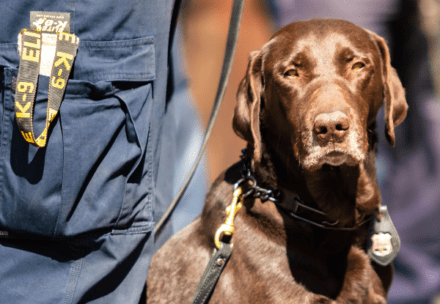
🐾 K9 Security Training
Working alongside trained security dogs in patrol and asset protection environments.
🔫 Firearms Safety Training
Completing recognised firearms safety training where applicable licensing requirements apply.
💼 Cash-in-Transit Training
Supporting the secure transportation of cash and valuables across Queensland.
🥊 Batons and Handcuffs
Developing additional competencies that complement Security Operations qualifications.
🩺 First Aid Training
Many employers value Security Officers who also hold current First Aid qualifications, particularly in environments where rapid emergency response may be required.
Security Career Comparison
Queensland security professionals can work across a variety of roles. Here’s a quick comparison of common entry-level and specialist security positions:
| Role | Typical Duties | Common Workplaces | Qualification Pathway |
|---|---|---|---|
| Security Guard | Patrolling, access control, CCTV monitoring, incident response | Shopping centres, offices, warehouses, hospitals | CPP20218 Certificate II |
| Crowd Controller | Managing crowd behaviour, access control at licensed venues, conflict resolution | Nightclubs, events, sporting venues, festivals | CPP20218 + QLD Crowd Controller Licence |
| Corporate Security | Access management, professional client liaison, concierge duties | Corporate offices, government buildings, banks | CPP20218 or CPP31318 |
| Event Security | Crowd management, screening, access control, emergency response | Concerts, festivals, exhibitions, sporting events | CPP20218 + experience |
| Senior / Supervisor | Team coordination, reporting, client liaison, operational oversight | Multiple environments | CPP31318 + experience |
Why Choose NSTA Hillcrest™?
Choosing the right training provider is one of the most important decisions when starting a career in security. NSTA Hillcrest™ delivers nationally recognised training under NSTA™ (RTO 32292), providing students with practical, industry-focused learning designed to prepare them for real workplace environments.
Students choose NSTA Hillcrest™ because of:
✔ Nationally recognised training delivered under NSTA™ (RTO 32292)
✔ Experienced trainers with practical industry knowledge
✔ Hands-on learning using realistic workplace scenarios
✔ Student-focused approach with personalised support
✔ Regular course schedules across Security Operations, First Aid, Firearms Safety and specialist training
✔ Convenient location supporting students from Brisbane, Logan, Ipswich, Browns Plains, Springfield, Gold Coast, Sunshine Coast and surrounding Queensland regions
Frequently Asked Questions – How to Become a Security Guard in Queensland
👉 View Upcoming Training Dates
📞 Phone: 07 3800 8631
📧 Email: hillcrest@nsta.edu.au
📍 Address: 18 Elliott Court, Hillcrest, QLD 4118

Ready to Start Your Security Career?
Whether you’re beginning your first career or looking to enter the Queensland security industry, NSTA Hillcrest™ provides practical, nationally recognised Security Operations training designed to prepare students for real workplace environments.
☎ Phone: 07 3800 8631 |
✉ Email: hillcrest@nsta.edu.au
📍 Location: 18 Elliott Court, Hillcrest, QLD 4118
Training is delivered by NSTA Hillcrest™ (under NSTA™ RTO 32292). All Statements of Attainment are issued by NSTA™ (RTO 32292).
Explore More Security Training Pathways
After completing your entry-level security training, continue building your career through advanced qualifications and specialist security training pathways delivered by NSTA Hillcrest™.
About NSTA Hillcrest™
This guide has been prepared by NSTA Hillcrest™, a Queensland training centre delivering nationally recognised training under NSTA™ (RTO 32292). Our trainers have extensive industry experience delivering Security Operations, Firearms Safety, K9 Security and First Aid training across Brisbane and Queensland.